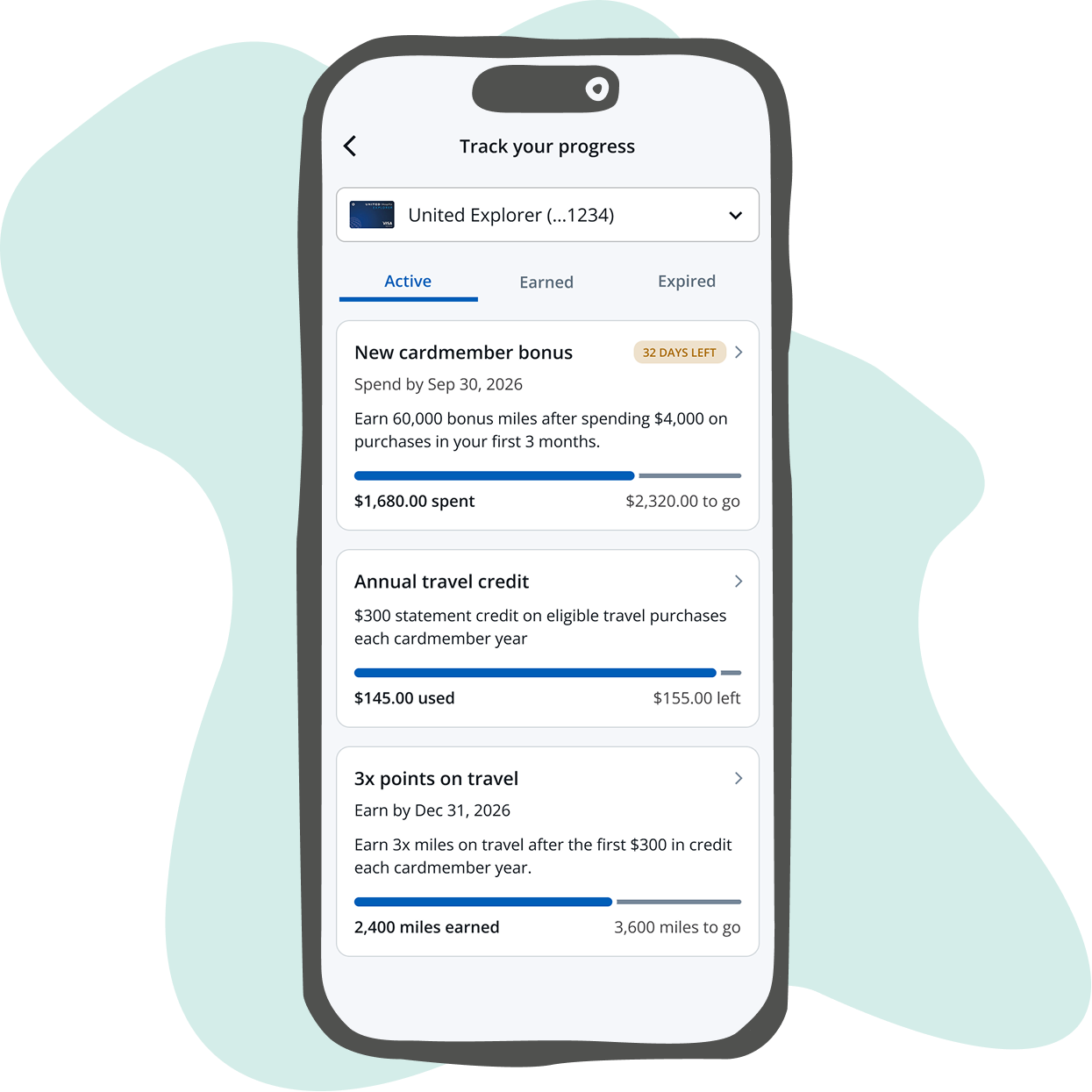
Universal Credit Card Bonus Tracker
TLDR: Universal Credit Card Bonus Tracker is a comprehensive framework that unified data and UX across credit card offers to drive higher spend, lower service friction, and scalable partner experiences.
Key business outcomes
Reduced service volume & complaints
55% reduction in New Account Bonus Offer‑related call volume after the Universal Tracker API went live.
22% anticipated reduction in complaints and call volume based on Q1 pilot data.
Revenue and efficiency impact
$88M projected incremental revenue over 3 years, $156.4M over 5 years across branded and cobranded portfolios.
~$550K in annual cost savings from automating manual bonus‑offer construct processes.
Customer experience & loyalty lift
50 basis‑point year‑over‑year increase in Net Promoter Score (NPS) attributed to clearer, more reliable tracking experiences.
350,000+ unique visitors and 7.5M+ impressions in the Tracker Hub’s first 12 days, indicating strong early engagement.
Case study overview
Cobranded card customers were highly motivated during the introductory offer window, but engagement and spend dropped afterward because bonus trackers were fragmented, hard to find, and often inconsistent between Chase and partners.
As the first Head of Design for the Co‑Brand Card product area, I built a dedicated design team and led the Universal Credit Card Bonus Tracker initiative: a single‑source API, modular tracking UI system, and partner‑ready delivery model designed to scale across 1,000+ offers and multiple brands.
Through ecosystem and competitive audits, user research, and design‑system work, we defined a five‑category tracker taxonomy, a Skim/Dip/Dive information framework, and components that could flex from brand‑agnostic to brand‑expressive.
Partnering with Product, Architecture, Technology, and Data & Analytics, we shaped the Universal Tracker API, managed constraints around disclosures and localization, and defined key placements across Chase’s web and mobile channels.
The API began powering NABO trackers in early 2025, front‑end modules rolled out later that year, and the Tracker Hub launched in April 2026—with early adoption from major co‑brand partners and strong initial customer engagement.